The Glass Castle Review: A brilliant, slightly sanitized biopic

After watching Shang-Chi, I knew Destin Daniel Cretton was something special, and one of the most interesting directors of the MCU. However, back then, I was a lot more casual moviegoer. Now, I try to get my hands on every movie under the sun, and I have finally started knocking out more of his filmography—and, no, this has nothing to do with Spider-Man: Brand New Day making him a household name. It's mere coincidence.
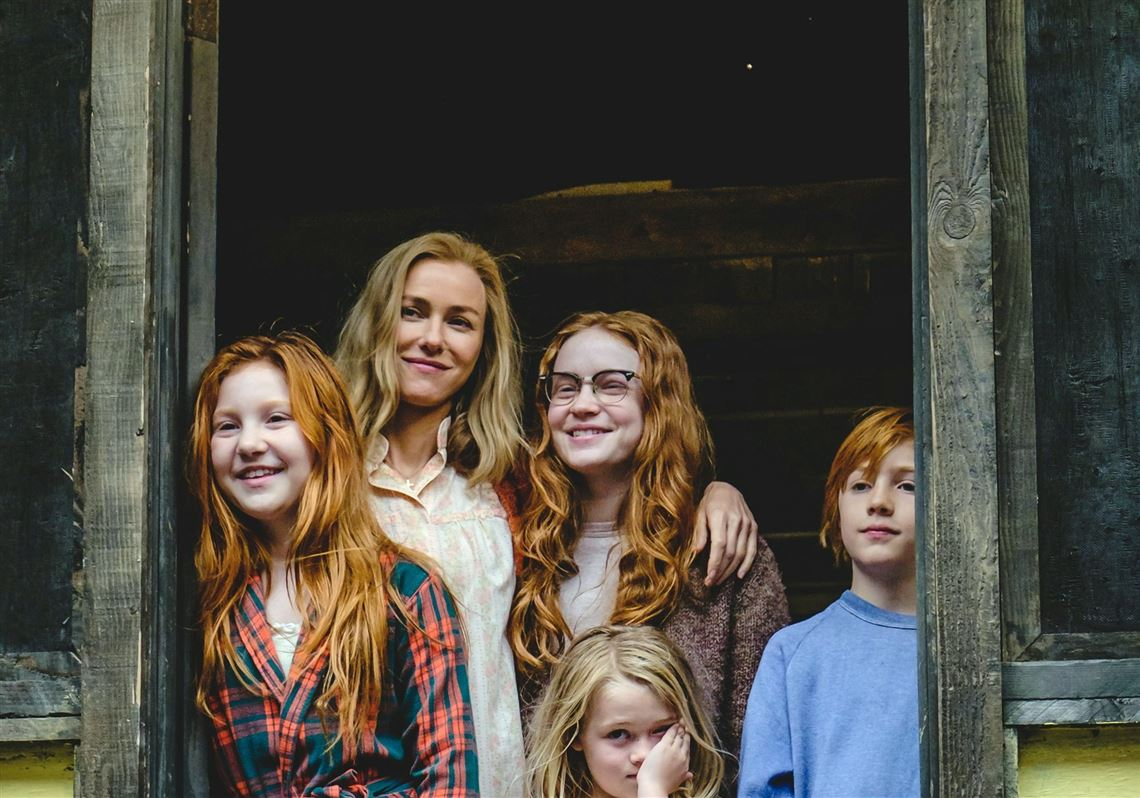
The Glass Castle, based on one of the best-selling memoirs in recent memory, is a movie about overcoming trauma, parental abuse and neglect, and still seeing glimmers of good in the worst people. So, did this film hit as hard for me as Short Term 12 or Just Mercy, which I've yet to review? Or was it a dud of an adaptation? That's what I, Brighton Nelson of The Reel Ranker, will be discussing in today's review. Thanks so much for joining me, and I hope you have a great day!
Let's start with the negatives. While this film is fully endorsed and beloved by author Jeannette Walls, there's no denying it was held back by its need to wrap things up with a nice little bow of a Hollywood ending. The film significantly sanitized the memoir's ending. Additionally, while I understand many things need to be cut for runtime and the PG-13 rating—I defend the choice to make it PG-13 because this movie's message deserves accessibility and teaches vital lessons—I don't feel the movie portrayed the mom well in any respect. Not the performance, of course, but the fact that the screenplay made her feel like a victim bystander.
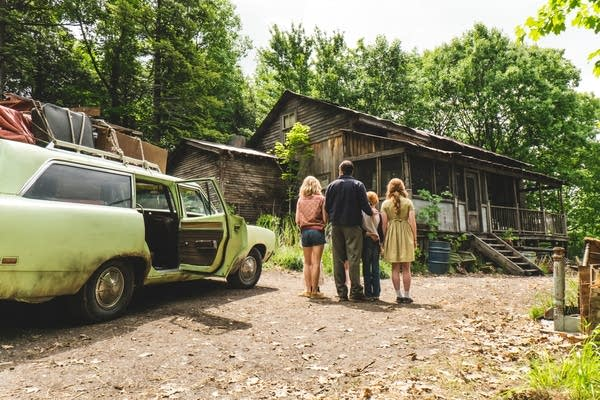
In the book, she's far more heinous and neglectful, and I felt the film lost layers by doing the Hollywood shtick of dumbing down the harsh truths of women's evil. She might not be as much of a physical abuser as the husband, but in the memoir, it is apparent that she is just as neglectful of a parent due to her inaction and self-absorbed nature. Lastly, the end-credits sequence was a solid idea on paper, but it reinforced the fact that the ending leaned too hard into forgiveness and "but they're misunderstood!" instead of sticking with the more well-rounded approach of Walls's own words about the matter.
However, even with the limitations and a couple of questionable decisions, this movie is a fantastic film and a great adaptation—I'm agreeing with the author on this one, not the critics or the "only the book is good" crowd.
The film explores childhood trauma and its generational, residual effects. It shows the constant dichotomy between love and terror in a way that hits really close to home for many. I'm eternally grateful that I didn't grow up in a home like this. While I can't claim to have experienced this much, I have had emotionally abusive romantic relationships and pain from school and work that still bears on me a lot. This film does a fantastic job, 90% of the time, exploring how much our circumstances can mold us.
The movie usually avoids cheap sentimentality and defending the abuser, while still showing the nuance that even the worst of your family members can do the occasional good. It shows the power of moving forward, and how unconditional forgiveness can heal one's heart, even when it's completely undeserved.
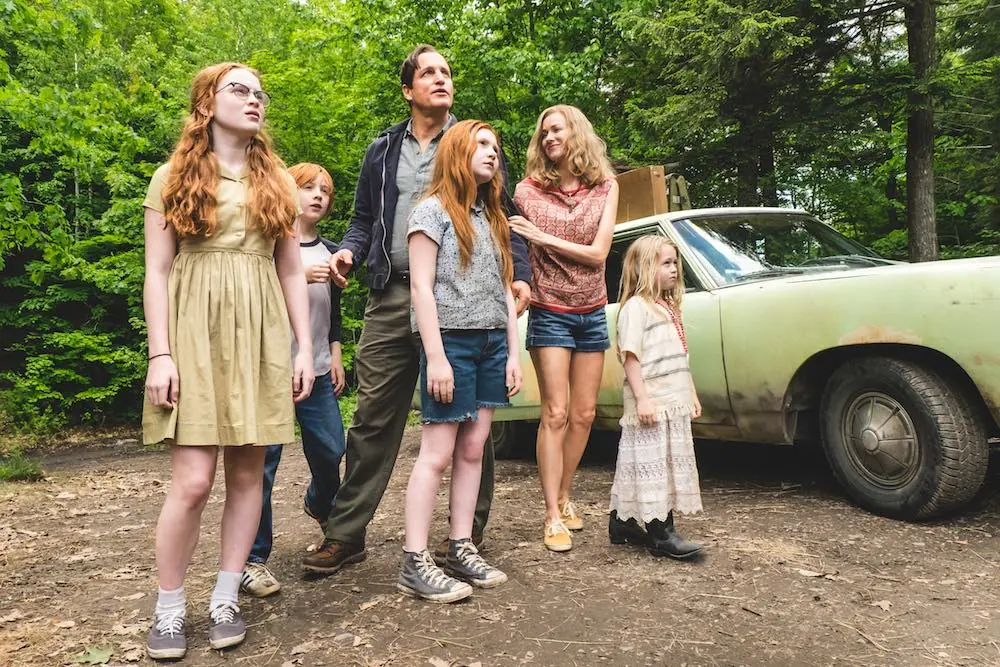
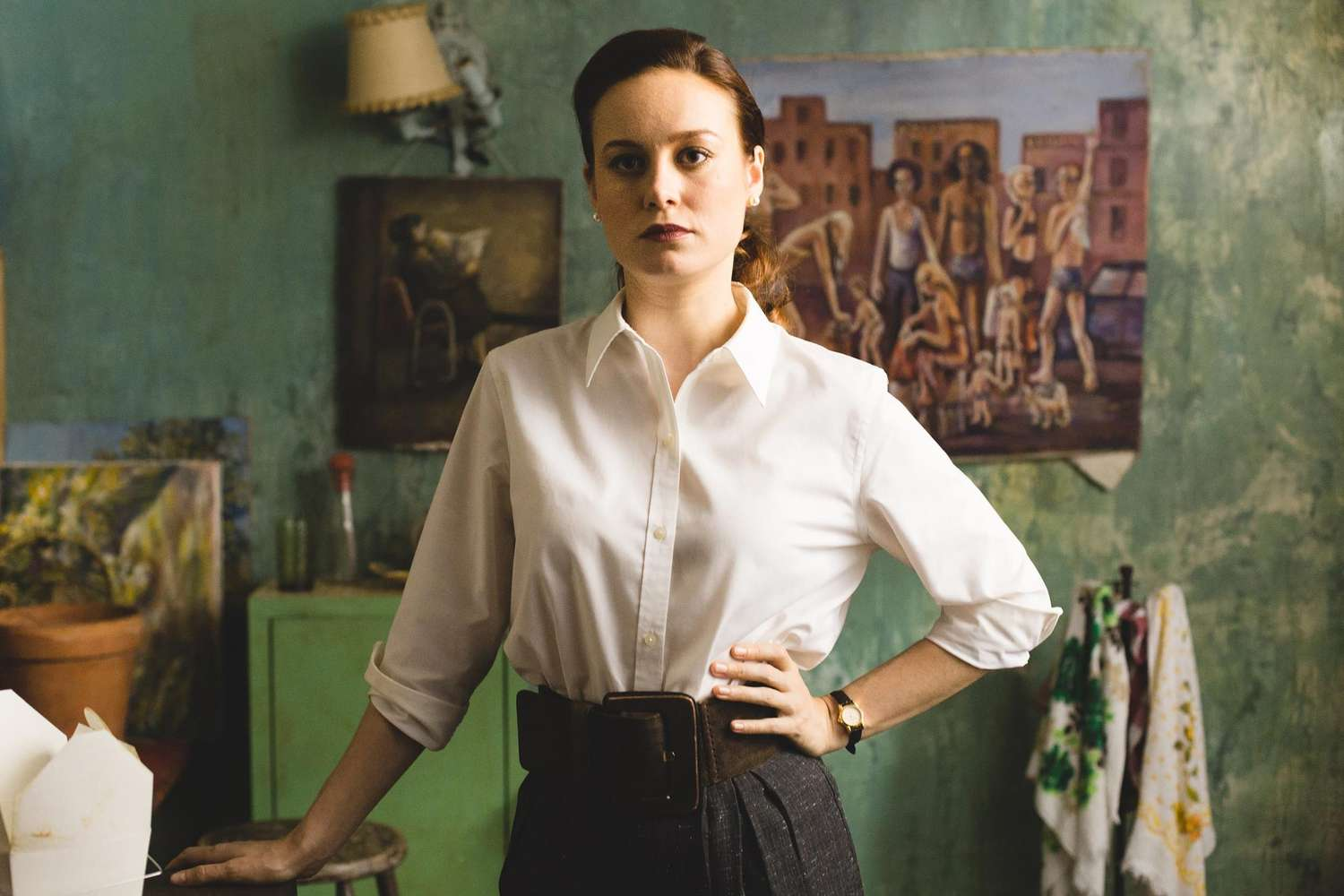
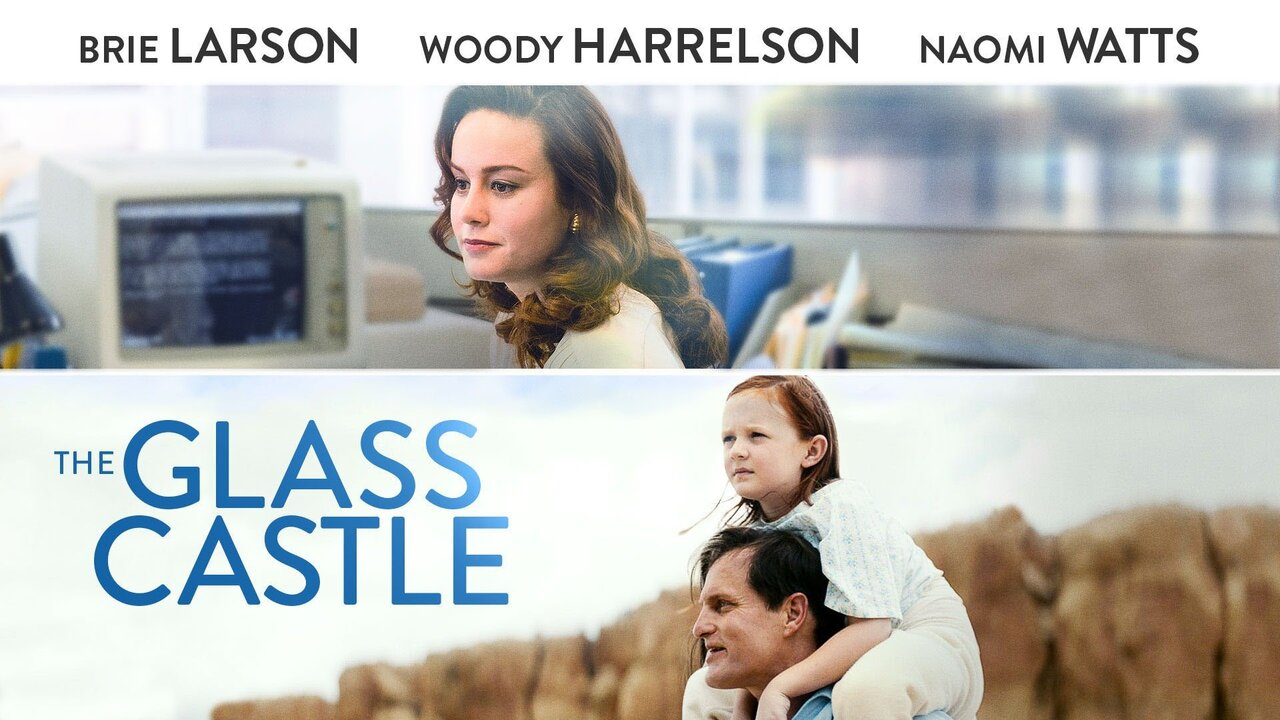
The actors' performances do a wonderful job carrying the memoir's themes to the big screen. Brie Larson does a great job playing someone who's reserved and has resolved themselves into an uptight shell to suppress her past. While she isn't as prevalent to the story as her younger self, she does a great job portraying the character, particularly in the final act.
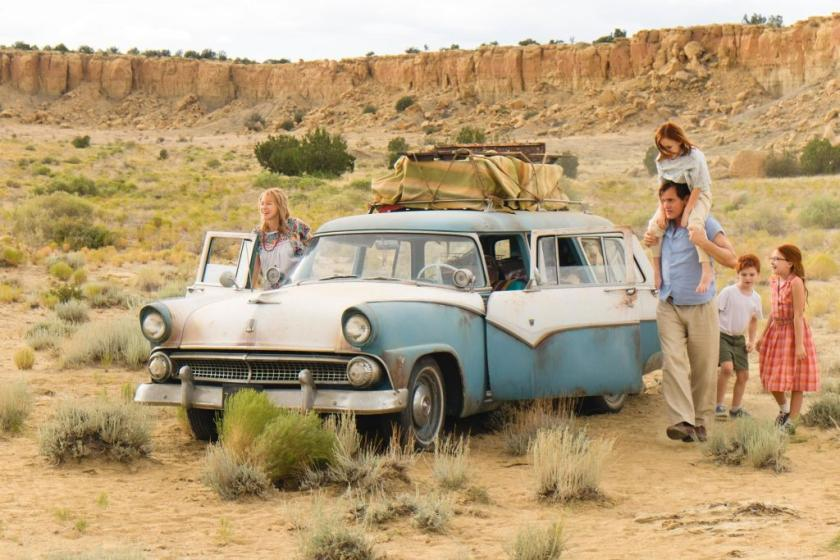
While some have said Woody Harrelson is too charming and attractive to be right in the role as the monster, I couldn't agree more—it's the people with magnetic charm, wild humor, and fierce nonconformism that can entice people enough that nobody could believe they're abusers. The juxtaposition between his charm and vile actions is precisely what was supposed to be conveyed, and it worked.
Naomi Watts also does a great job as Jeannette's mom, even if the script never fully conveyed her character. But the standout performances for me were by Ella Anderson, Sadie Sink, Chase Shotwell, and all the other young talents. Sure, Cretton, Watts, and Harrelson all helped mentor them, but there's no denying that these are some of the best young acting performances of all time. These kids—especially Ella Anderson, who was the most prominent—carried the film's emotional weight by showing their layered, complex emotions. Additionally, the younger, older, and adult versions of each character felt so much like the same people that it was genuinely impressive. Hollywood usually resorts to portraying children as stupid, whiny, bumbling idiots—this film's performances don't only carry immense emotion, but finally give kids some credit.
The Reel Ranker Verdict
Reel or Unreel? - Reel
The Reel Ranker Score: 78%
Letter Score: A
Star Ranking: 4 out of 5
The Glass Castle is a beautiful collaboration between Jeannette Walls's heartbreaking story, an incredible cast, and Destin Daniel Cretton's mastery of beautiful dramas. While the film is a little sanitized and softened, it is a resonating picture that shows the power of moving forward through immense difficulty and why it is worth making it to the other side.
Interested in more reviews about biopics or dramas? Check them out below!
 Brighton Nelson
 Brighton Nelson
Enjoy this review? Stay tuned for more articles from The Reel Ranker! Enjoy video games? Check out our site, RPG Ranked!